
Delivering precise ground-movement monitoring for a critical wastewater upgrade.
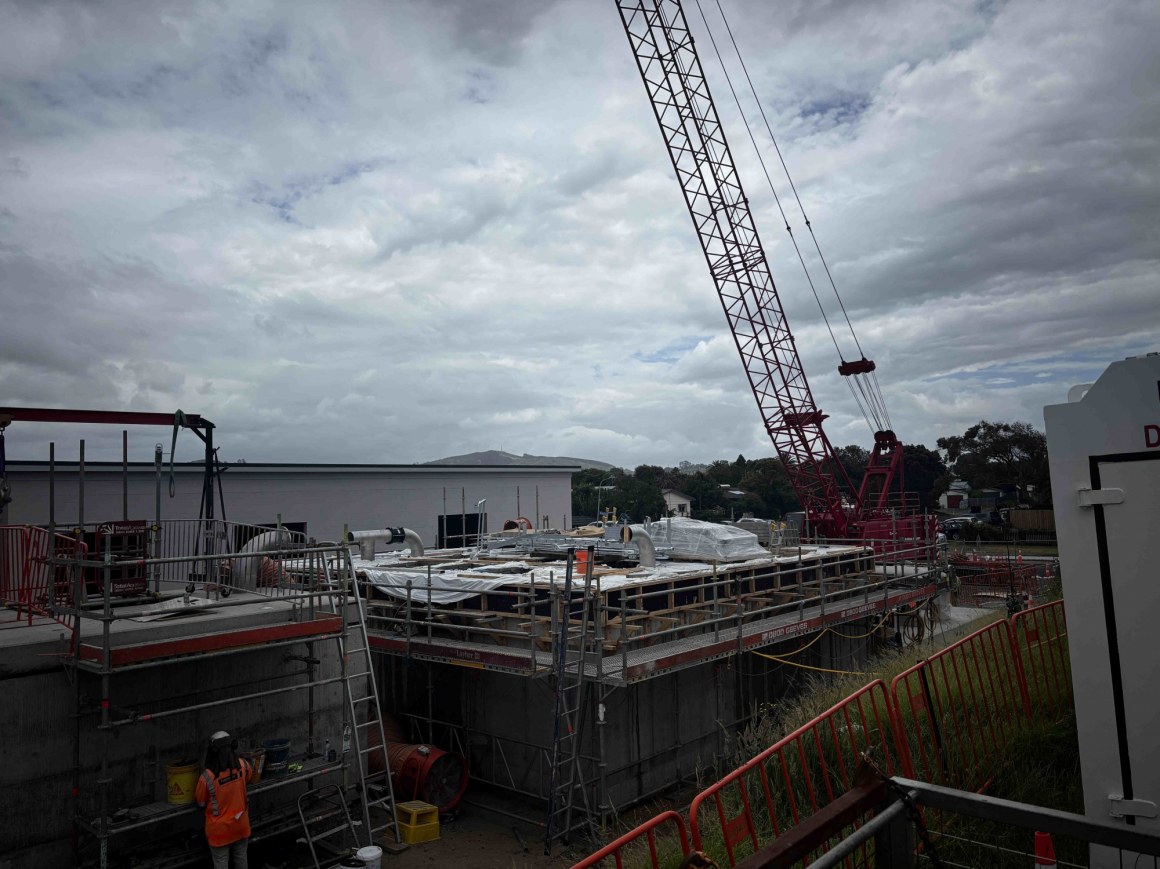
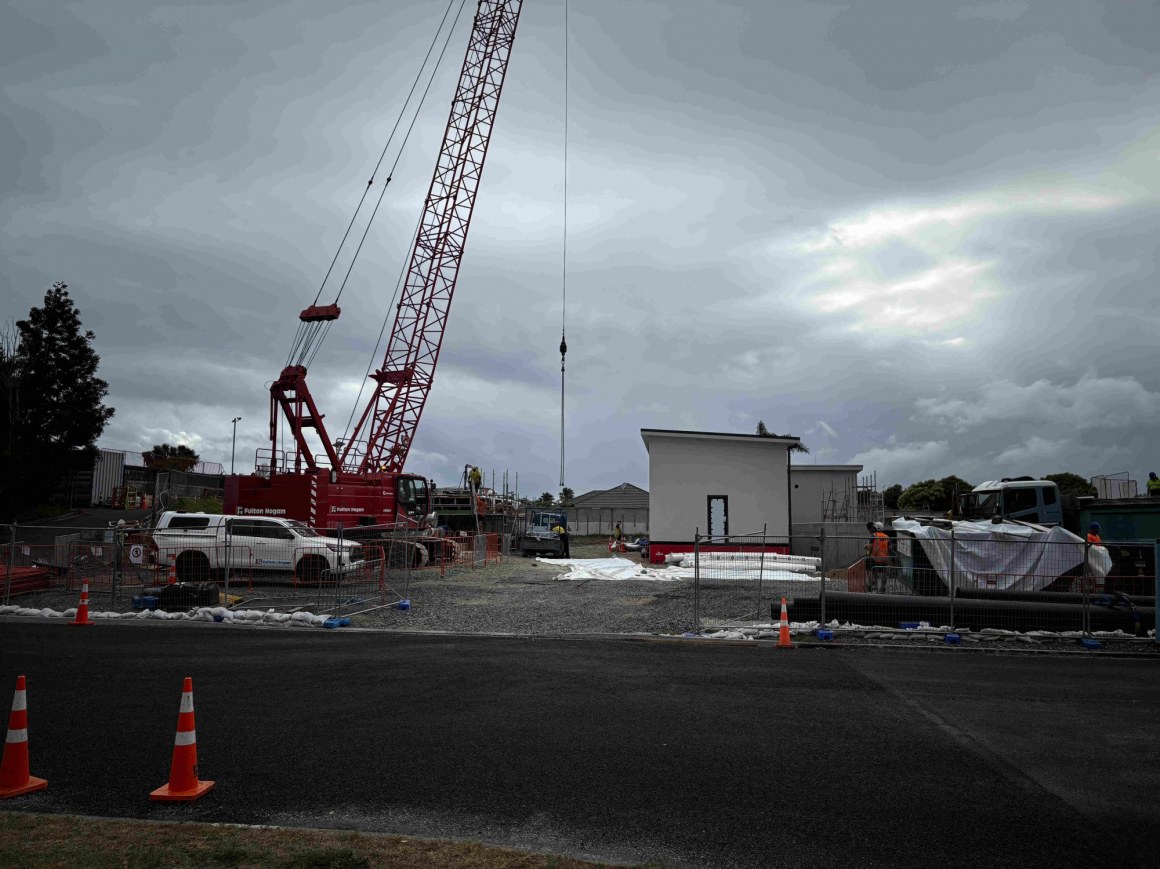
Tauranga City Council upgraded Pāpāmoa East’s wastewater network to support future urban growth, including the construction of a new pump station at Opal Drive. The new facility replaces the ageing 1991 pump station, providing essential capacity and resilience for the eastern and central Pāpāmoa area and the Wairākei Urban Growth Area.
The Opal Drive Pump Station formed part of a wider programme to strengthen Tauranga’s wastewater infrastructure and ensure the network can meet long-term community needs. Once complete, it pumps the majority of wastewater flows through to the Te Maunga wastewater treatment plant.
CKL’s role
CKL was engaged by the project’s main contractor on behalf of Tauranga City Council to undertake ground-settlement monitoring throughout the construction of the new pump station. This monitoring was a key consent requirement due to the site’s complex geotechnical conditions and the scale of excavation and dewatering involved.
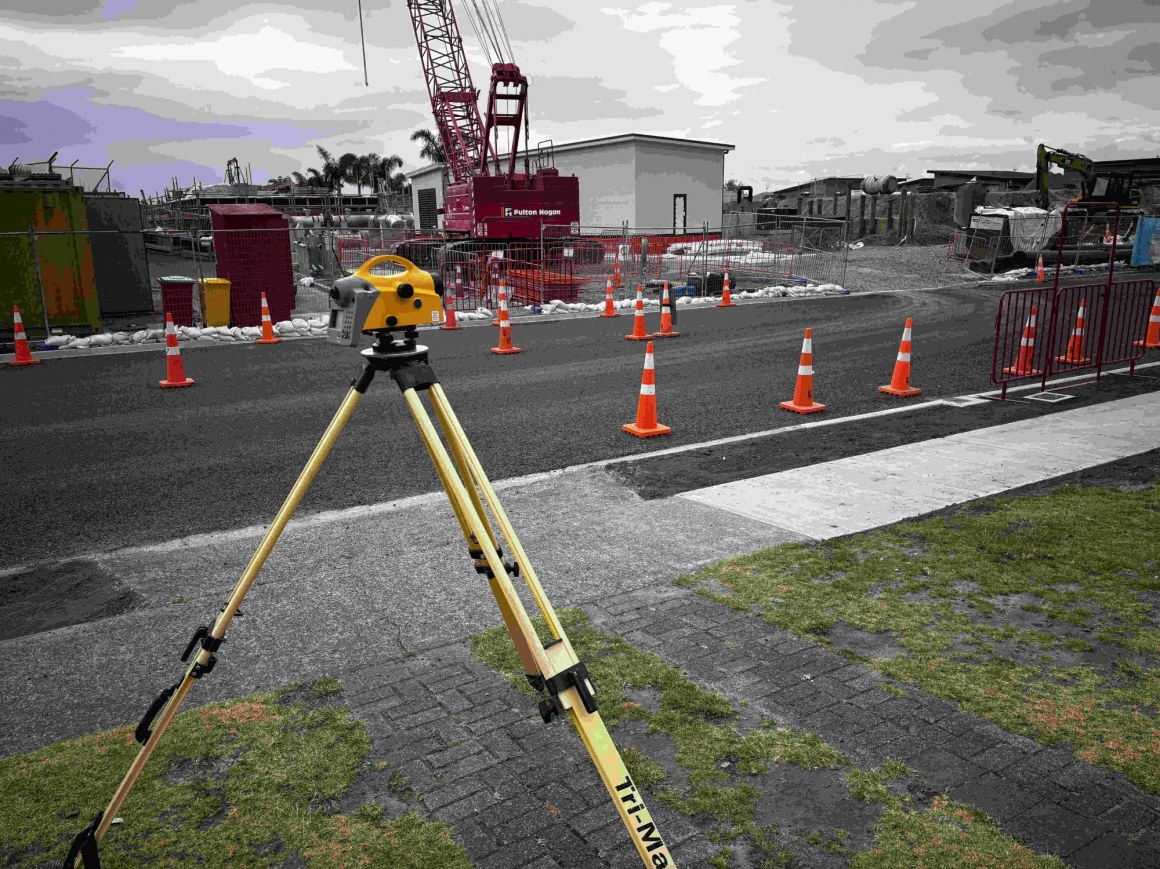
Our Tauranga Surveying team designed and implemented a monitoring programme to measure ground movement around the existing pump station, nearby dwellings, and underground services. The programme operated continuously over an 11-month construction period, providing consistent oversight across all stages of the works.
CKL presented two monitoring options -standard terrestrial levelling and triaxial tilt sensors - to meet consent and geotechnical requirements. The client selected triaxial tilt sensors for their non-invasive measurement capabilities and real-time data collection, allowing movement to be tracked continuously throughout construction. CKL complemented this system with periodic terrestrial levelling checks to ensure accuracy and compliance.
CKL provided monthly monitoring reports, interpreting sensor data to confirm whether settlement remained stable or active. Defined trigger thresholds ensured that any significant movement could be addressed immediately, maintaining safety throughout the dewatering process.
Outcome
The combination of real-time sensor technology and traditional surveying methods delivered frequent, reliable data to verify that ground movement remained within geotechnical tolerances, helping protect nearby structures and services.
Following the successful completion of construction, the monitoring sensors were decommissioned after 11 months, marking the successful delivery of the monitoring programme.
Led by CKL’s Tauranga Surveying team, this project highlights our commitment to innovation and best practice in infrastructure delivery, combining modern monitoring technology with trusted survey expertise to support Tauranga City Council’s long-term infrastructure resilience.