
Flood risk is no longer simply an engineering or consenting issue. For property owners, investors and developers, understanding how water moves through and around a site is increasingly part of making a sound property decision.
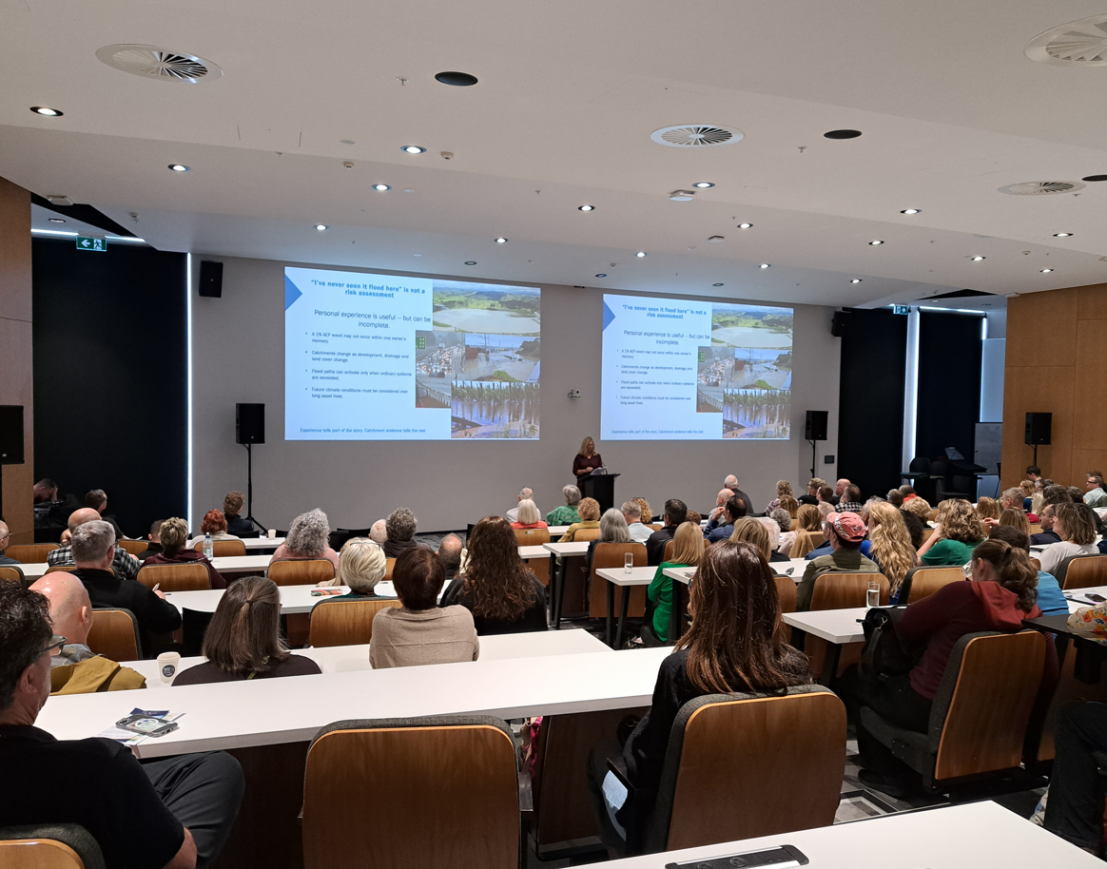
That was one of the key messages shared by CKL Director and environmental engineer Bronwyn Rhynd at the 2026 New Zealand Property Investors Federation Conference in Tauranga.
Speaking on Water, Risk and Resilient Property, Bronwyn explored why looking beyond individual property boundaries and understanding the wider catchment can help manage risk, avoid costly surprises and ultimately create better developments.
Flood risk is now part of the property conversation
Recent extreme weather events have made flood risk much more visible, but the information available to property owners has also changed.
Council flood mapping, LiDAR and increasingly sophisticated modelling are making it easier to understand overland flow paths and low-lying areas. At the same time, planners, lenders, insurers and purchasers increasingly want to understand how risk could change over the life of a property and how it will be managed.
That means past experience can only tell us so much.
A property may never have flooded during its current owner's lifetime, but development within the wider catchment, changes in land use and drainage, additional hard surfaces and future climate conditions can all alter how water behaves.
Look beyond the property boundary
As Bronwyn told conference attendees, water doesn't recognise property boundaries.
Understanding flood risk therefore means looking beyond an individual site to the wider catchment: where water comes from upstream, how it moves through the site, where it can safely slow, spread or be stored, and where it ultimately goes downstream.
This becomes particularly important as our cities and towns grow.
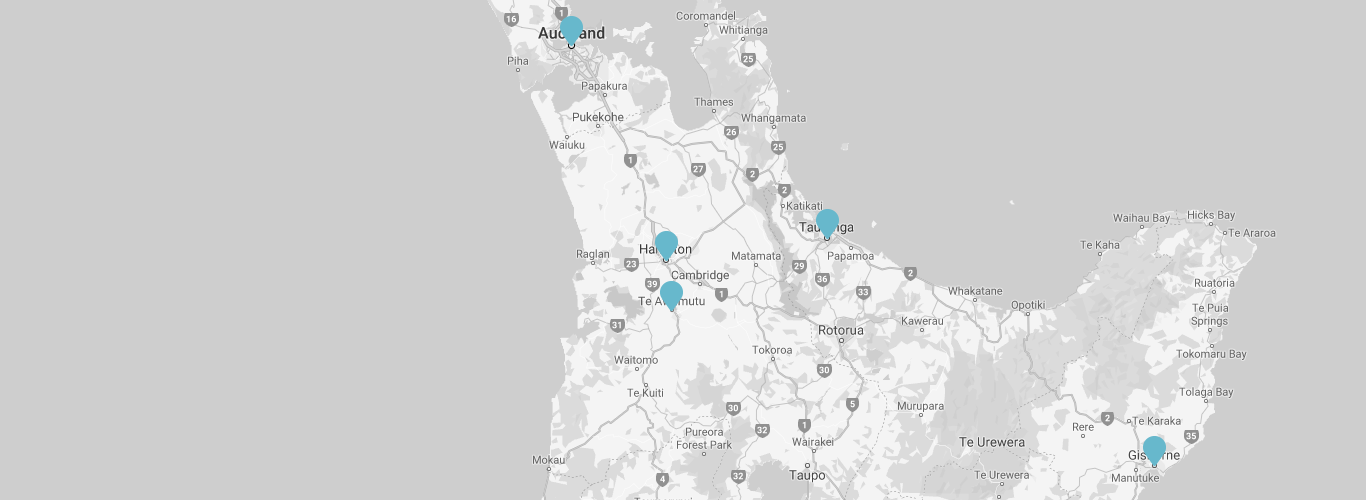
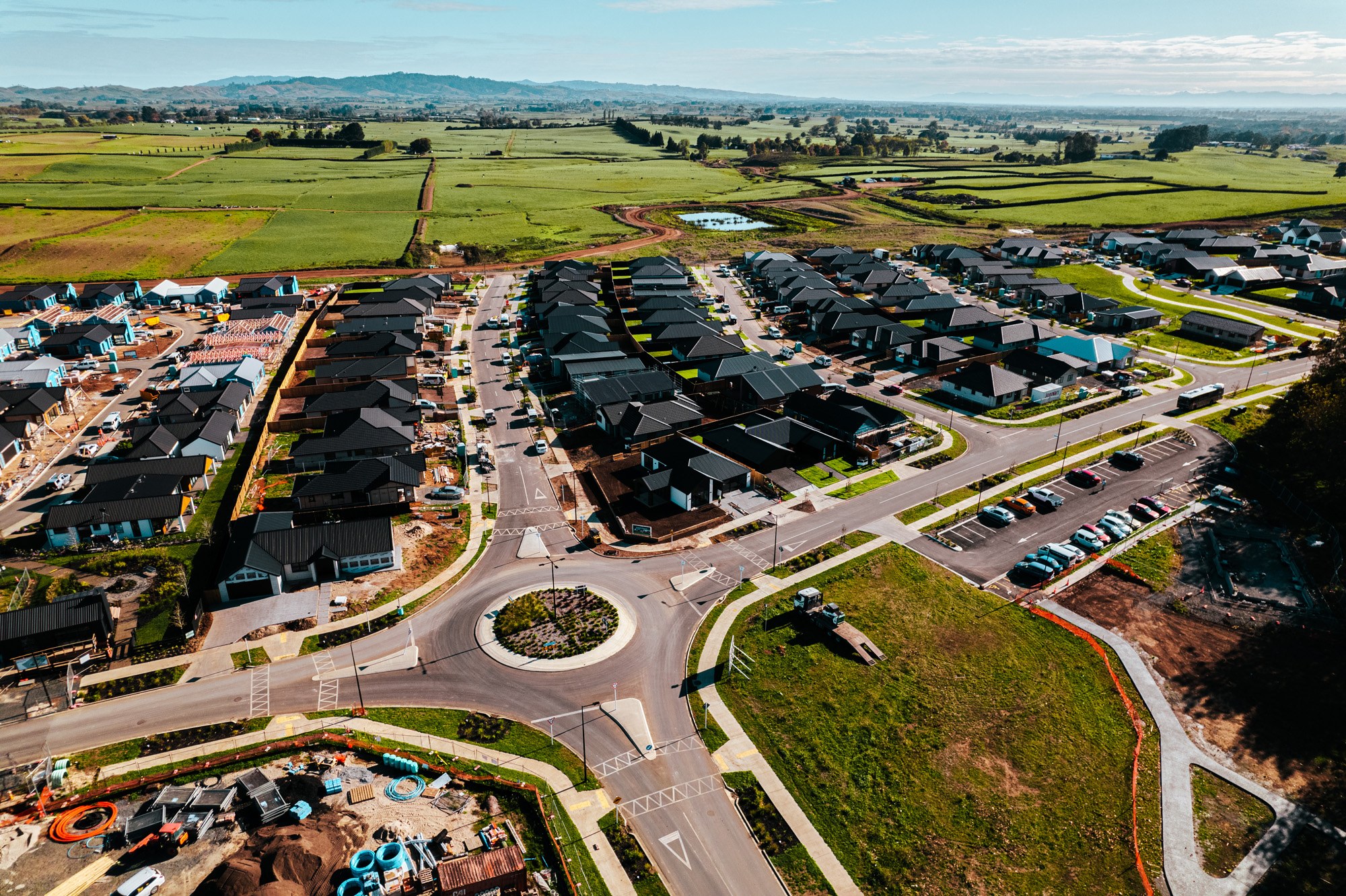
In the Western Bay of Plenty, for example, around 15,000 new homes are planned over the next decade across growth areas including Pāpāmoa East and Te Tumu, Ōmokoroa, Tauriko and the Te Papa peninsula. Every additional roof, road and driveway changes the way rainfall moves across the landscape, making it increasingly important to understand the cumulative effects of development rather than considering sites in isolation.
Make water part of the design from the beginning
One of the strongest messages from Bronwyn's presentation was the value of understanding water before the major development decisions are locked in.
Catchment modelling can help identify where development should sit, appropriate floor levels, safe access, where storage or treatment may be required and what happens when the primary stormwater system is exceeded. Crucially, it also allows different scenarios to be tested while there is still flexibility to change the design.
A recent CKL project on Cameron Road in Tauranga demonstrates the difference that can make.
Initial flood modelling indicated a proposed development could increase flood levels on neighbouring residential properties by approximately 30–50mm during a modelled one-percent annual exceedance probability rainfall event, including an allowance for climate change.
Because the issue was identified early, the project team was able to test changes to the design, including removing local high points, creating shallow routes for water to move across the site and adjusting surface levels. Further modelling showed the revised design reduced the modelled increase on neighbouring properties to no more than 15mm.
The lesson isn't simply that modelling can identify a problem. It's that identifying the problem early gives a project team more options for solving it.
Working with water can create value
Good stormwater design isn't necessarily about installing bigger pipes or hiding more infrastructure underground.
Natural flow paths, wetlands, planting, open spaces, swales and areas designed to temporarily hold water can all form part of the response. When these are considered alongside streets, buildings and landscapes from the beginning, they can manage flood risk while also contributing to ecology, amenity and more resilient neighbourhoods.
Bronwyn's message to property owners and investors was ultimately a simple one: treat water as part of a property's value, rather than a problem to deal with once everything else has been decided.
Start with the catchment. Understand the risk early. Then use that knowledge to make better decisions about the property and development that follows.