
12 Dec 2025
100+ Plans Reduced to Just 17
One of the most impactful proposals is the consolidation of existing regional and district plans into 17 Regional Spatial and Strategic Plans.
A nationally consistent planning framework has the potential to:
Under the new system, activities with minimal environmental impact may no longer require consent, and the thresholds for minor effects are expected to increase.
This could reduce processing times and compliance costs for straightforward projects.
Nationally Standardised Rules
The Bills propose national standards for:
A New Planning Tribunal
A fast-track dispute resolution system - the Planning Tribunal - is intended to provide a more practical, lower-cost alternative to existing court pathways for certain matters.
Stronger Direction on Land Supply
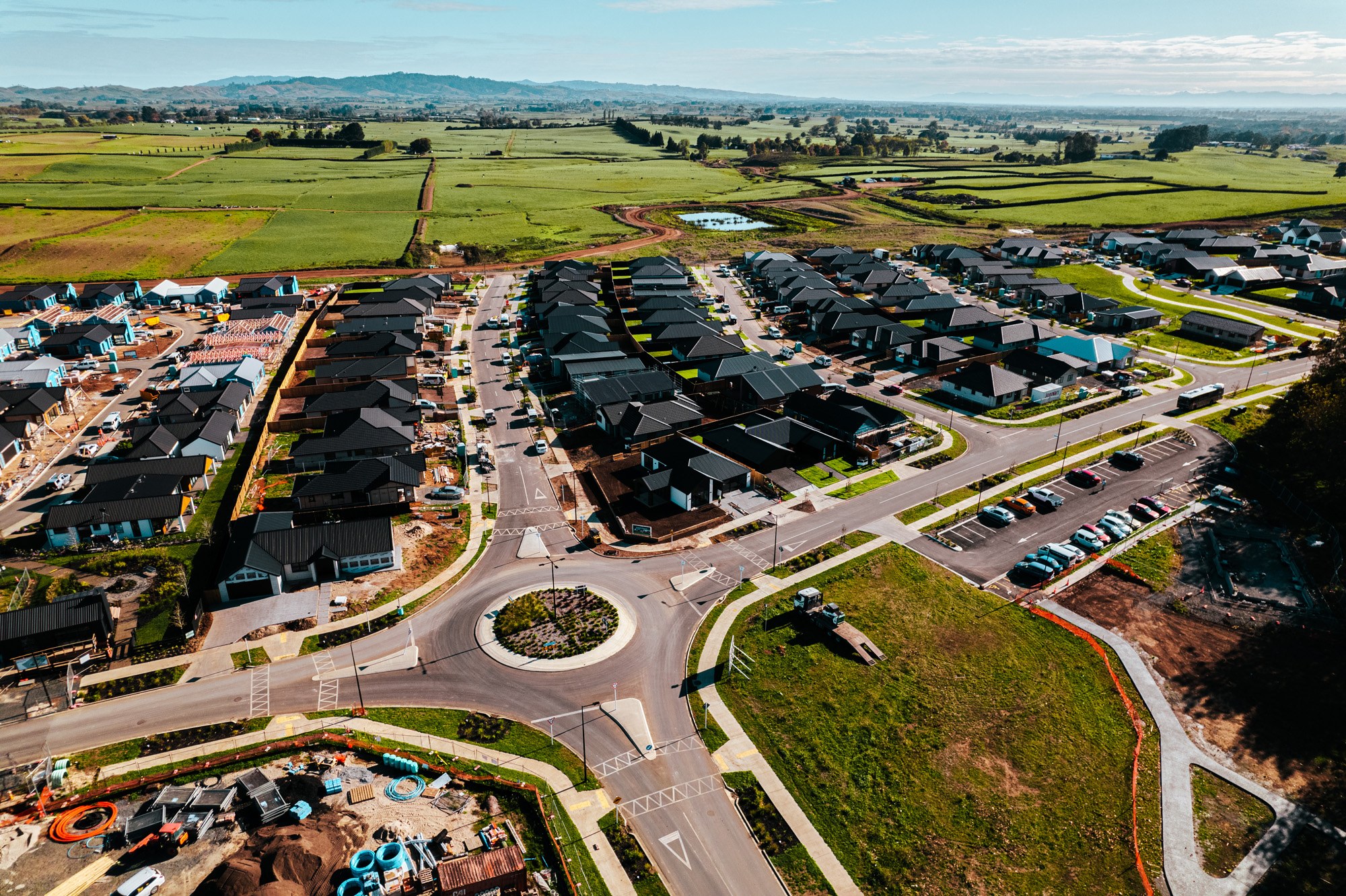
Councils will be required to ensure sufficient zoned and serviced land for housing and business growth. This aligns with long-standing calls for clearer national direction to support housing supply and urban development outcomes.
Transition Period: What Happens Now
The Government also plans to introduce a transition measure extending consent expiry dates to 31 December 2027, with new consents still able to be lodged during this period.
CKL will be following the Bills closely as they progress through Parliament and the Select Committee process. We will continue to assess the implications for our clients and the practical realities of delivering development within the new system.
If you have questions about how these reforms may affect your current or future projects, please get in touch with our planning team
The Government has released two new Bills to replace the Resource Management Act (RMA): the Planning Bill and the Natural Environment Bill. Together, they represent one of the most significant shifts in Aotearoa’s planning system in more than 30 years.
While the legislation is still at an early stage, the direction is clear - a move toward a more consistent, streamlined, and outcomes-focused planning framework.
At CKL, our planners, engineers, and surveyors are reviewing the new system closely. Below is a high-level overview of the key changes and what they could mean for those working across land development, housing, infrastructure, and environmental management.
A New Two-Bill Framework
The RMA will be replaced by:
- The Planning Bill – focused on enabling development, land use, and infrastructure.
- The Natural Environment Bill – focused on environmental protection and limits.
100+ Plans Reduced to Just 17
One of the most impactful proposals is the consolidation of existing regional and district plans into 17 Regional Spatial and Strategic Plans.
A nationally consistent planning framework has the potential to:
- simplify development pathways
- reduce duplication and regional variability
- provide long-term certainty for investment and growth
Under the new system, activities with minimal environmental impact may no longer require consent, and the thresholds for minor effects are expected to increase.
This could reduce processing times and compliance costs for straightforward projects.
Nationally Standardised Rules
The Bills propose national standards for:
- noise
- earthworks
- transport
- vibration
- and other common activities
A New Planning Tribunal
A fast-track dispute resolution system - the Planning Tribunal - is intended to provide a more practical, lower-cost alternative to existing court pathways for certain matters.
Stronger Direction on Land Supply
Councils will be required to ensure sufficient zoned and serviced land for housing and business growth. This aligns with long-standing calls for clearer national direction to support housing supply and urban development outcomes.
Transition Period: What Happens Now
The Government also plans to introduce a transition measure extending consent expiry dates to 31 December 2027, with new consents still able to be lodged during this period.
CKL will be following the Bills closely as they progress through Parliament and the Select Committee process. We will continue to assess the implications for our clients and the practical realities of delivering development within the new system.
If you have questions about how these reforms may affect your current or future projects, please get in touch with our planning team