
What if resource consenting didn’t feel like a black box?
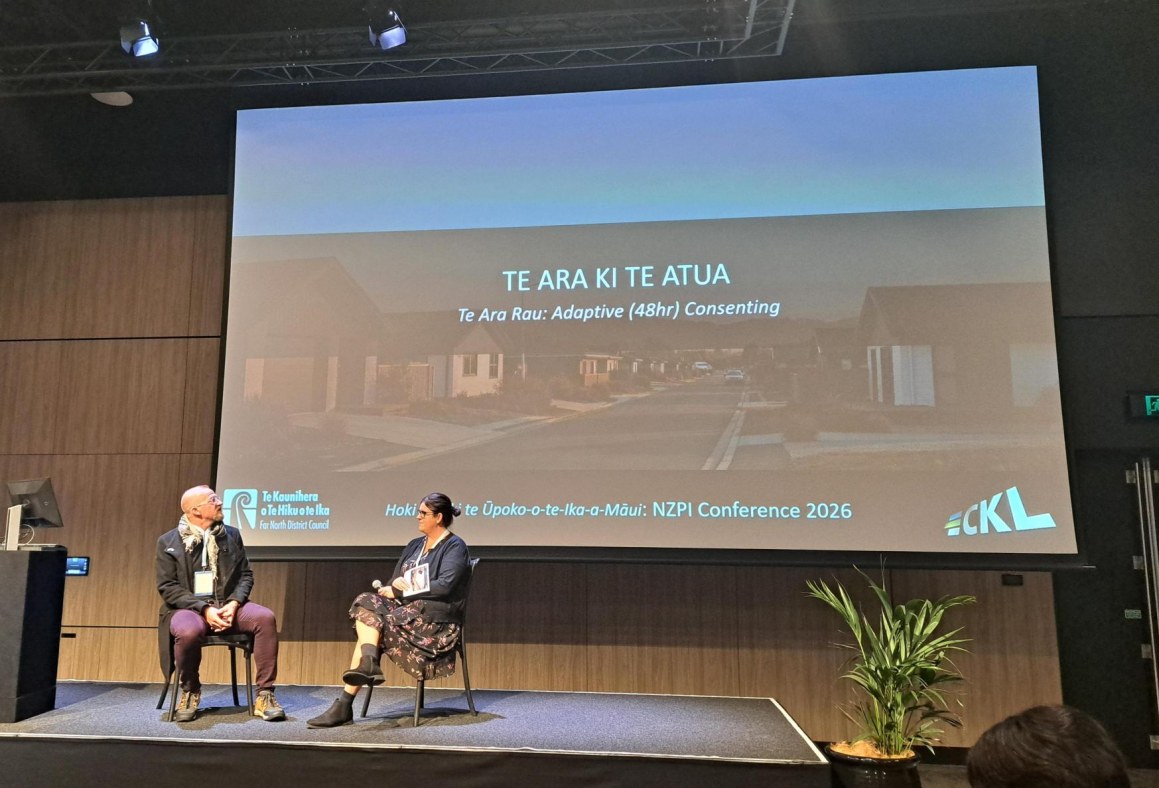
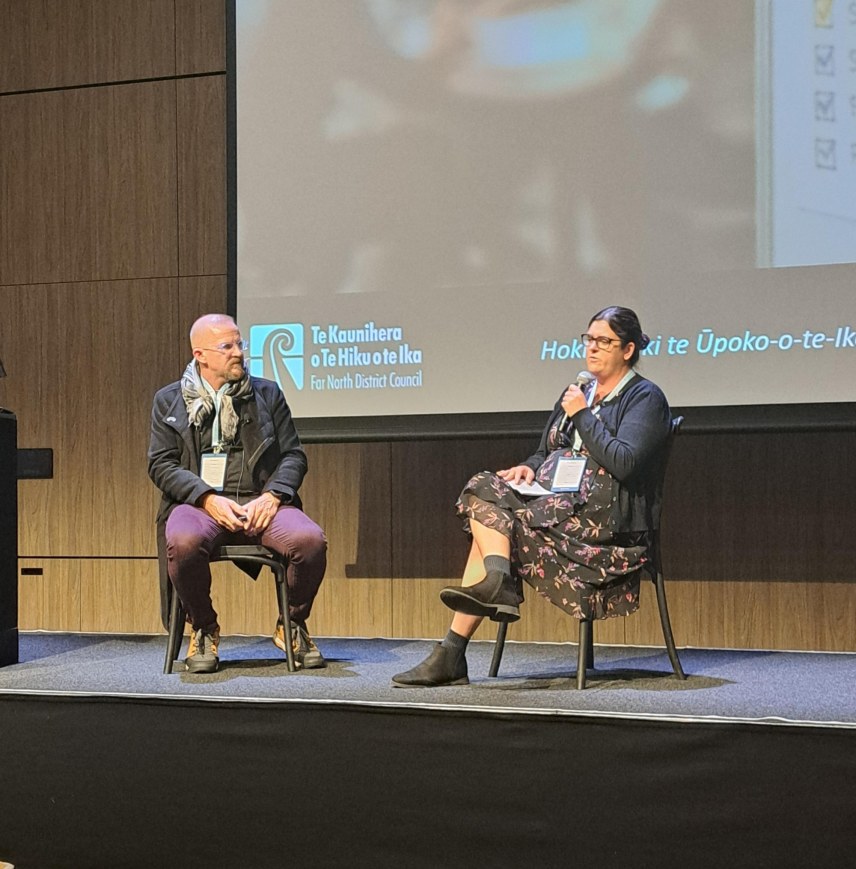
That was the question at the centre of a recent presentation by CKL Principal Planner Sarah Robson at the New Zealand Planning Institute Conference in Wellington.
Presenting alongside Far North District Council’s Nick Williamson, Sarah shared insights into Adaptive Consenting - a more collaborative, upfront approach that is starting to reshape how resource consent is delivered in New Zealand.
A shift in how consenting is approached
Traditional consenting processes can be complex, time-consuming, and uncertain for applicants. Adaptive Consenting takes a different approach.
Rather than working through issues after an application is lodged, it focuses on resolving key matters early, bringing planners, applicants, technical experts, and mana whenua together from the outset.
This creates a more transparent, proportionate process, where expectations are clearer and outcomes can be reached more efficiently.
Grounded in real-world experience
The presentation drew on practical examples from the Far North, where this approach has already been tested through real projects.
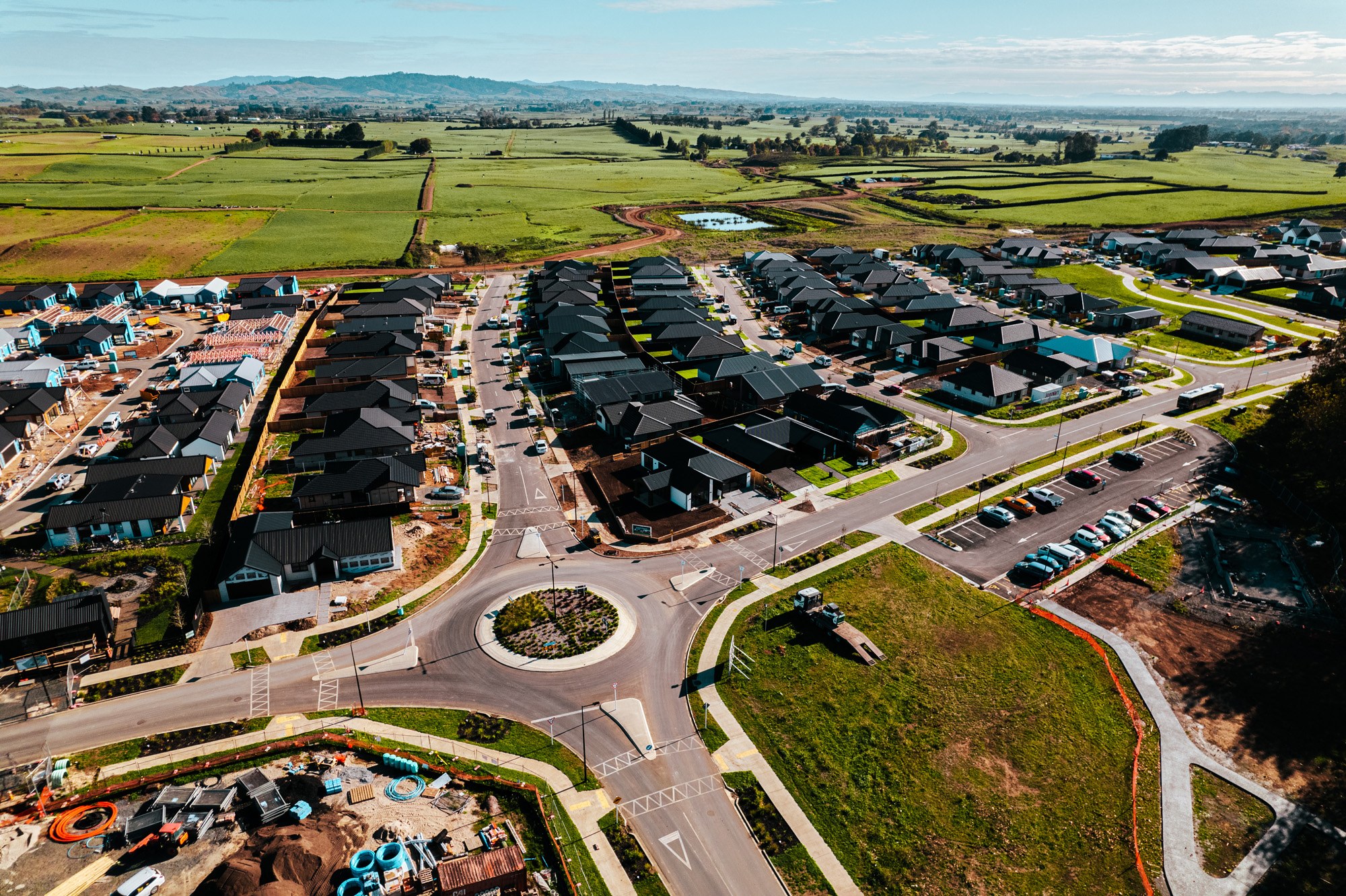
Sarah has been closely involved in applying these principles in her work, including a Kaikohe housing development where consent was granted in just four working days.
While not every project will move at that pace, the example highlights what can be achieved when issues are worked through early and collaboratively.
You can read more about that project in our earlier article, Revolutionising Resource Consent in the Far North, which explores how the approach delivered a four-day consent turnaround.
Where AI fits in
Another key theme of the session was the role of artificial intelligence.
AI is being used to support parts of the consenting process, such as drafting assessments and standardising templates. This helps reduce time spent on administrative tasks and allows planners to focus on areas that require professional judgement.
Importantly, the approach recognises the limits of AI.
Technology can assist, but it cannot replace the experience, context, and decision-making that planners bring to the process.
A more collaborative future
At its core, Adaptive Consenting is about changing the way people work together.
It moves away from a reactive, transactional model and towards one that is:
• Proactive
• Transparent
• Collaborative
For councils, consultants, and applicants alike, this creates a more constructive consenting journey, one that reduces delays, builds trust, and delivers better outcomes.
Sharing ideas across the industry
Presenting at the NZPI Conference provided an opportunity to share these learnings with planners from across the country.
As development pressures continue to grow, approaches like Adaptive Consenting offer a practical way to improve how consenting systems operate, not through shortcuts but through better collaboration and smarter use of tools.
For CKL, it reflects a broader commitment to working alongside clients and councils early, solving problems upfront, and helping projects move forward with greater clarity and confidence.