For many property owners, succession planning begins with one key question: who gets what?
But CKL Tauranga Branch & Planning Manager Daniel Brown and Cooney Lees Morgan Partner Scott Goodwin believe there's a better question to ask first:
Do you understand the land’s full potential and what that could mean for its value?
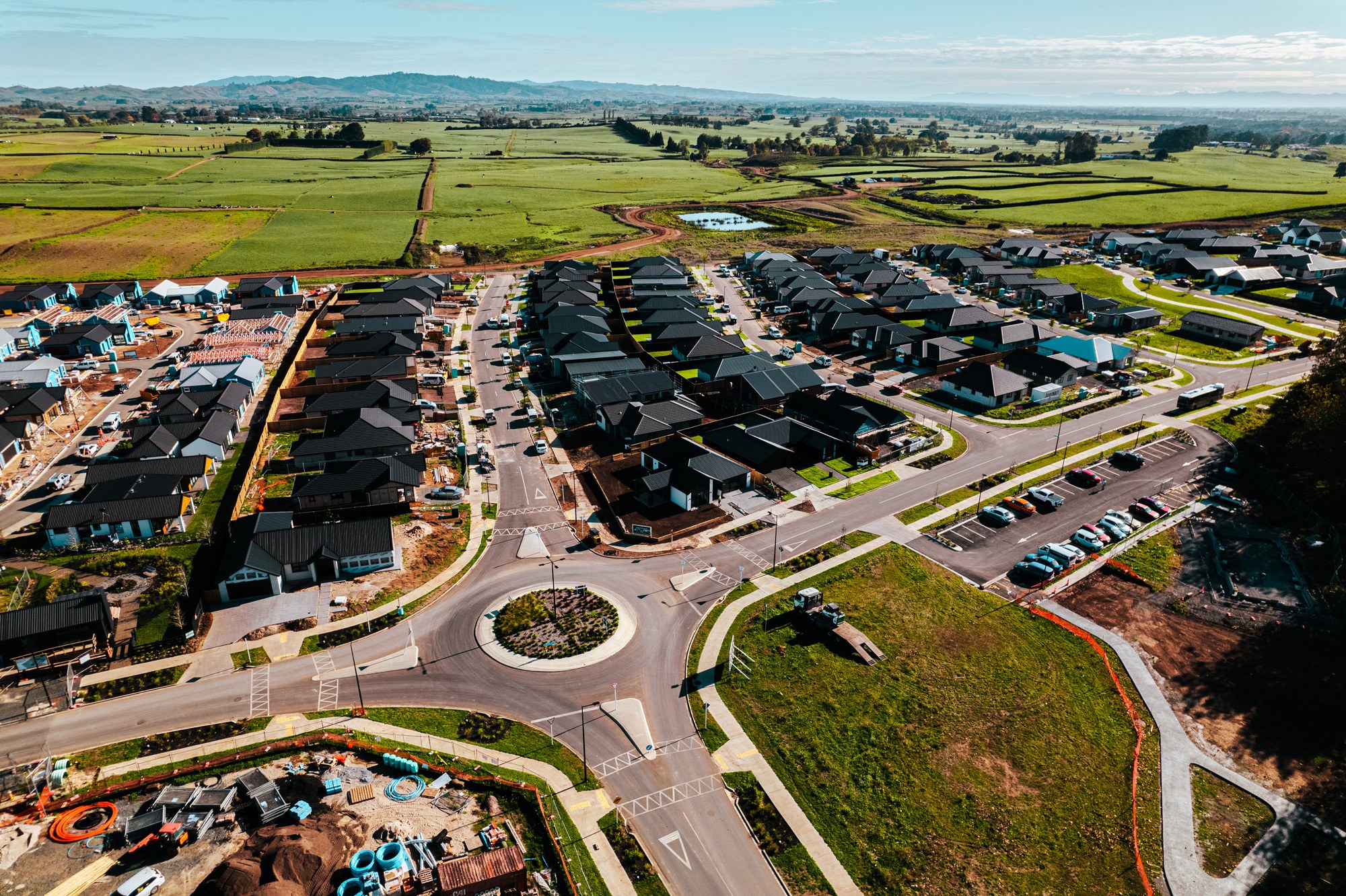
Whether it's a family farm, orchard, investment portfolio, commercial site or development land, succession decisions are often made before anyone has fully explored what those assets are actually capable of.
According to Daniel, evolving planning rules, environmental requirements, natural hazards and subdivision provisions mean properties today can present both unexpected constraints and unexpected opportunities.
"Families often come to us with an outcome already in mind," he says. "But the first conversation shouldn't be, 'Who gets what?' It should be, 'What are our options with the property we have?' Once you understand what's actually possible, you can make informed decisions and sometimes discover ways to unlock value that you didn't realise existed."
Whether that's creating additional titles, releasing capital, restructuring ownership or simply understanding that a preferred outcome isn't achievable, exploring those possibilities early gives property owners the information they need before succession plans are set in motion.
Every Property Tells a Different Story
No two properties are the same, and neither are the families who own them.
For one family, the challenge may be passing a farm or orchard to the next generation while treating siblings fairly. For another, it could involve an investment property with redevelopment potential, or commercial land that offers opportunities the owners hadn't considered.
On paper, the solution can often seem straightforward.
In reality, every property has its own planning framework, opportunities and constraints.
"It's not always as simple as dividing the property the way the family expects," says Daniel. "Sometimes planning rules mean a preferred option isn't possible. Other times, we uncover opportunities to release capital, create additional titles or structure things differently to achieve a better outcome. The important thing is understanding the full picture before promises are made."
He says that understanding takes time.
"We're often brought in when an outcome has almost already been committed to, and we're trying to retrofit an approach. When we're involved earlier, families have more flexibility, more options and more time to work through the different scenarios."
No One Adviser Has All the Answers
For Scott Goodwin, that's why succession planning has become a team effort rather than simply a legal exercise.
"Every family is different," he says. "Whatever succession plan works for one won't necessarily work for the next. That's what makes this work so interesting – you've got to tailor a package for every family depending on the dynamics."
That means bringing together the right advisers from the outset.
"You need a planner who understands the planning framework and any potential limitations because they tell us what's possible with the property. Then it's back to the accountant to understand the tax implications. You'll often need a registered valuer to establish asset values and help achieve fairness, and then the lawyer can put the legal structure around it. Everyone has a role to play."
Without that collaboration, Scott says families can spend considerable time and money pursuing an outcome that simply isn't achievable.
"If the planning assessment tells us a subdivision isn't possible, then the legal solution has to change too. We might need to look at releasing capital, restructuring ownership or exploring a completely different approach.
"The important thing is that everyone understands the situation while there's still time to make informed decisions. Sometimes the answer is that the property can't be dealt with the way everyone hoped – and that's okay. At least the family knows every option has been explored, and you can move to Plan B while everyone is still around the table."
Time Creates Options
Both Daniel and Scott agree that time is one of the most valuable assets in any succession plan.
Understanding planning requirements, exploring development or subdivision potential, weighing tax implications and working through family expectations all take time.
Starting early doesn't mean families have to make immediate decisions. Instead, it gives them room to explore different scenarios, understand the implications of each option and adapt as circumstances change.
"The earlier you understand what's possible, the more choices you generally have," says Daniel. "It gives families time to work through different scenarios and arrive at an outcome that reflects both the family's wishes and what's actually achievable."
For Scott, that's what succession planning is really about.
"The last thing we want to see is relationship fallout," he says. "Every parent wants to leave their family in the best position possible. The earlier you bring the right advisers around the table, the more opportunity you have to understand the options, manage expectations and work towards an outcome everyone can support."
Whether you're planning for the future of a family farm, orchard, investment portfolio or commercial property, understanding what your property can actually do before decisions are made can help uncover opportunities, avoid costly surprises and give everyone greater confidence in the path ahead.
By bringing planning, legal, accounting and valuation expertise together early, families have more time to understand their options, explore different scenarios and work towards an outcome that reflects both their wishes and what's actually achievable.
If you're starting to think about succession, subdivision or the future ownership of your property, speaking with Daniel at CKL or Scott at Cooney Lees Morgan is a practical first step towards understanding what's possible.